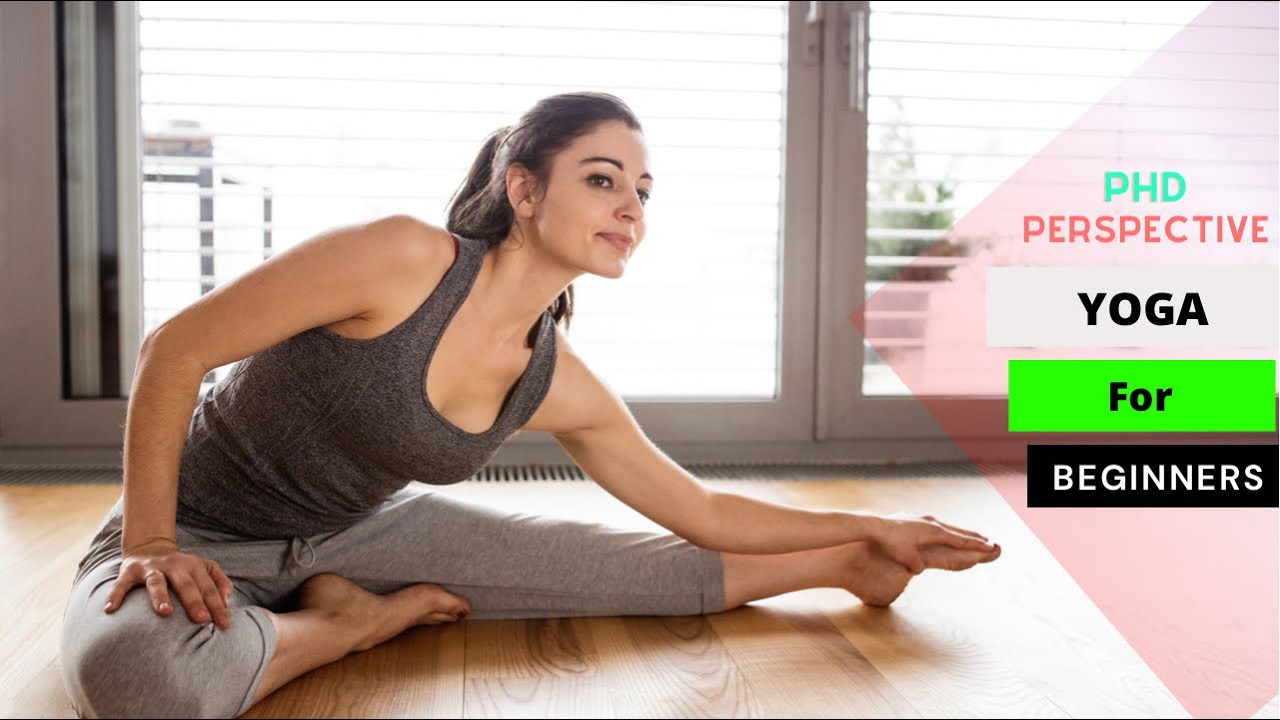
Are you new to yoga and looking for a way to start your practice? Look no further! At SawYogaCourses, we have got you covered. In this blog post, we will guide you through the basics of yoga, providing you with essential tips and poses to kickstart your journey. Whether you are seeking relaxation, flexibility, or improved physical well-being, our beginner-friendly yoga classes are designed to help you discover the transformative powers of this ancient practice. So, grab your mat and let’s dive into the world of yoga together!
Introduction:
If you’re looking to embark on a yoga journey but don’t know where to start, you’ve come to the right place. In this article, we will delve into the basics of yoga, its benefits, and why it’s the perfect practice for beginners. Whether you’re seeking relaxation, stress relief, or improved flexibility, yoga has something to offer everyone. So roll out your yoga mat, take a deep breath, and let’s get started on this transformative journey together.
Learn the Basics of Yoga:
Yoga is a mind-body practice that originated in ancient India and has gained immense popularity worldwide. It combines physical postures, breath control, and meditation to promote physical and mental well-being. Before diving into the various styles of yoga, it’s essential to understand the foundational elements that apply to all practices:
-
Breathing: Proper breathing techniques are integral to yoga. The most commonly used technique is deep diaphragmatic breathing, also known as “belly breathing.” This technique helps calm the mind, increase focus, and regulate the flow of energy in the body.
-
Alignment: Maintaining proper alignment during yoga poses ensures optimal body mechanics, prevents injuries, and maximizes the benefits of each posture. Focus on keeping a neutral spine and engaging the core muscles to support the body’s alignment.
-
Mindfulness: Yoga is as much a mental practice as it is physical. Cultivating mindfulness throughout your yoga practice helps you stay present, increase self-awareness, and find inner peace.
-
Meditation: Yoga often incorporates meditation as a means of calming the mind and deepening the connection between the mind and body. Taking time to sit in stillness and observe your thoughts without judgment allows for a deeper understanding of yourself.
Ease into Yoga with this Video:
To help you get started on your yoga journey, we have curated a video guide specifically designed for beginners. This video will introduce you to different styles of yoga, guide you through foundational poses, and provide tips on proper alignment and breathing techniques. By following along with this video, you can ease into yoga at your own pace:
[Link to the beginner’s yoga video]
Yoga is a Meditative Practice:
One of the key aspects of yoga is its meditative nature. While yoga integrates physical movement, the ultimate goal is to quiet the mind and find inner peace. Through the synchronization of breath and movement, yoga invites a sense of mindfulness and allows you to be fully present in the moment. This meditative practice not only reduces stress but also enhances mental clarity and emotional well-being.
Yoga Helps Relieve Stress:
In today’s fast-paced world, stress has become a common companion for many. Yoga offers a holistic approach to alleviate stress by combining physical movement, breathing exercises, and mental relaxation. Studies have shown that regular yoga practice can lower cortisol levels (the stress hormone) and increase levels of serotonin (the happy hormone), promoting a calm and balanced state of mind.
Yoga Improves Sleep Quality:
If you struggle with sleep issues, incorporating yoga into your routine can significantly improve your sleep quality. Certain yoga poses, such as forward bends and gentle inversions, activate the parasympathetic nervous system, also known as the “rest and digest” response. This helps promote relaxation, reduce anxiety, and prepare the body for a restful night’s sleep.
Yoga Increases Flexibility:
Contrary to popular belief, you don’t need to be flexible to practice yoga. Flexibility is a byproduct of consistent yoga practice. Over time, yoga helps lengthen and strengthen muscles, improves joint mobility, and increases overall flexibility. So, if touching your toes feels like an unattainable goal, don’t fret. With patience and persistence, you’ll notice a gradual improvement in your flexibility.
Yoga Makes You Feel Strong:
While yoga is often associated with flexibility, it is also an excellent practice for building strength. Many yoga poses engage multiple muscle groups, providing a full-body workout. Through sustained holds and controlled movements, yoga helps tone and strengthen your muscles, including your core, arms, legs, and back. As you progress in your practice, you’ll discover newfound strength and resilience.
Introduction to Different Yoga Styles:
Now that you have a grasp of the foundational aspects of yoga, let’s dive into different styles that you can explore as a beginner:
-
Vinyasa: Vinyasa yoga synchronizes breath with movement, flowing seamlessly from one pose to another. This dynamic style helps build strength, flexibility, and endurance. Each class offers a unique sequence, making Vinyasa yoga engaging and accessible for all fitness levels.
-
Hatha: Hatha yoga focuses on the balance between body and mind. It involves holding poses for a longer duration, allowing for deeper stretches and increased body awareness. Hatha yoga is an excellent choice for beginners due to its slower pace and emphasis on proper alignment.
-
Yin: Yin yoga targets the deeper connective tissues in the body, such as ligaments, tendons, and fascia. Poses are held for an extended period, typically between 3 to 5 minutes, facilitating a gentle and passive stretch. This style cultivates patience, flexibility, and a sense of relaxation.
-
Restorative: Restorative yoga aims to create a nurturing and supportive environment for deep relaxation. Props such as bolsters, blankets, and blocks are utilized to fully support the body in each pose. Restorative yoga is ideal for releasing tension, promoting healing, and inducing a state of profound rest.
Recap:
To recap, yoga is a transformative practice that benefits both the body and mind. By incorporating proper breathing techniques, mindfulness, and meditation, yoga can help relieve stress, improve sleep quality, increase flexibility, and enhance overall strength. Remember to tailor your practice to your individual needs and explore different styles to find what resonates with you. Embrace the journey, and you’ll soon discover the countless rewards that yoga has to offer.
FAQs:
-
Can I practice yoga if I’m not flexible?
Absolutely! Flexibility is not a prerequisite for practicing yoga. Yoga actually helps improve flexibility over time through consistent practice. -
Do I need any special equipment to start yoga?
All you need to begin your yoga practice is a comfortable mat and clothing that allows for easy movement. As you progress, you may choose to incorporate props such as blocks, straps, and bolsters. -
How often should I practice yoga?
The frequency of your yoga practice depends on your individual goals and lifestyle. Starting with a few sessions per week and gradually increasing as you feel comfortable is a great approach. -
Can yoga help with weight loss?
While yoga on its own may not lead to significant weight loss, it can be a valuable component of a healthy lifestyle. Regular yoga practice promotes mindfulness, encourages physical activity, and improves overall well-being, which can contribute to weight management. -
Can yoga be practiced by people of all ages?
Certainly! Yoga is adaptable and can be practiced by people of all ages and fitness levels. There are modifications and variations for each pose to suit individual needs and abilities.
Conclusion:
Yoga is not only a physical practice but a path towards self-discovery and inner peace. By learning the basics, exploring different styles, and immersing yourself in the transformative power of yoga, you can unlock a world of physical, mental, and emotional well-being. Whether you’re seeking stress relief, improved sleep quality, increased flexibility, or a stronger sense of self, yoga has the potential to revolutionize your life. So, grab your mat, embrace the journey, and allow yoga to guide you towards a healthier and more balanced you.