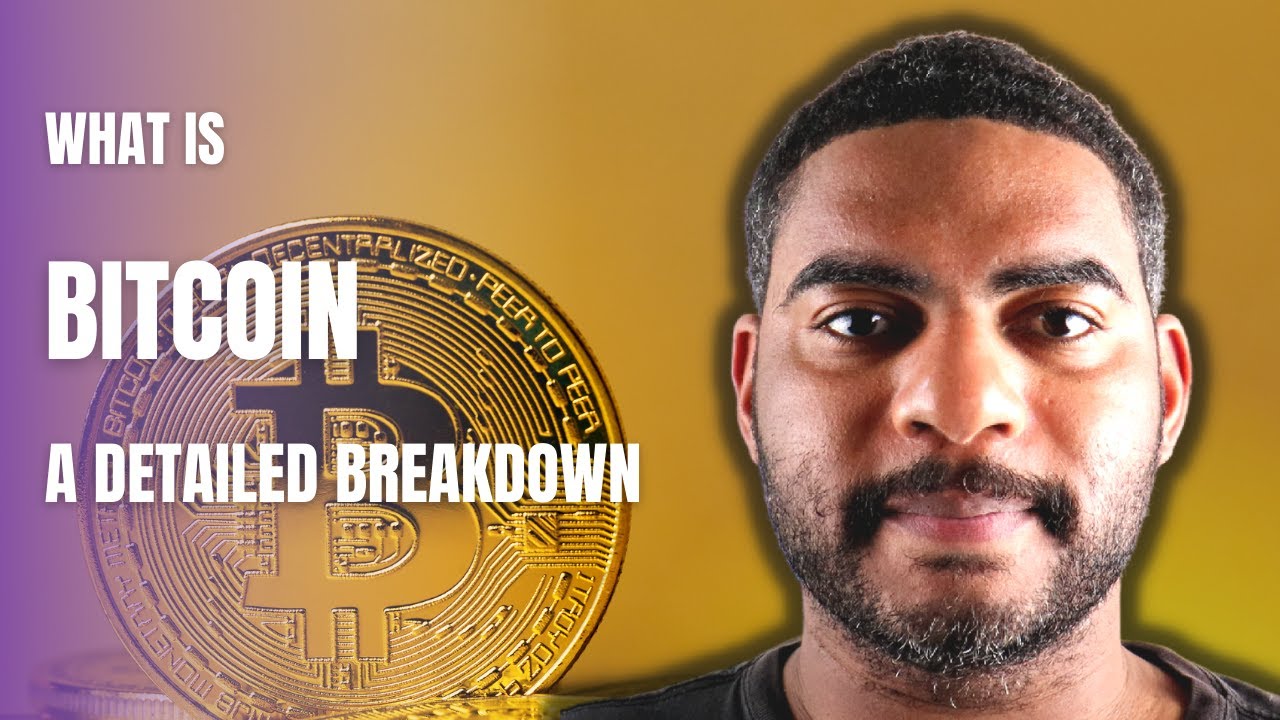
Welcome to a world where you have complete control over your finances – welcome to the world of Bitcoin. In this blog post, we will explore what Bitcoin is and how it can revolutionize the way you transact, invest, and store your wealth. So, fasten your seatbelt and get ready to unravel the mysteries of this groundbreaking digital currency. It’s time to discover how Bitcoin can empower you and open up a realm of limitless possibilities for your financial future. So, are you ready to dive into the captivating world of Bitcoin and unlock its potential? Let’s get started!
What is Bitcoin: Understanding the Basics
Introduction
You may have heard about Bitcoin at one point or another, but what exactly is it? Bitcoin is a digital currency that was created in 2009. It has grown to become a billion-dollar industry with a dedicated following. In this article, we will explore the fundamentals of Bitcoin and its potential uses in today’s world of cryptocurrency.
Heading 1: Bitcoin – A Decentralized Digital Currency
Bitcoin is not like the traditional currencies we are familiar with. It operates without any central authority, such as a government or a financial institution, controlling its transactions. This decentralization means that no single entity has control over Bitcoin, making it a peer-to-peer electronic cash system.
Heading 2: Buying and Selling with Bitcoin
One of the significant advantages of Bitcoin is the ability to buy and sell goods and services using this digital currency. As more merchants and businesses adopt Bitcoin, it becomes easier to find places where you can spend your digital coins. Whether it’s online shopping, booking flights, or even purchasing a cup of coffee in some establishments, Bitcoin provides a viable alternative to traditional payment methods.
Heading 3: Understanding the Blockchain
Bitcoin transactions are recorded on a public ledger called the blockchain. This blockchain technology ensures transparency and security. Every transaction made with Bitcoin is documented on the blockchain, creating a tamper-resistant record of all transactions. This public ledger can be accessed by anyone, providing accountability and traceability for each transaction.
Heading 4: The Limited Supply of Bitcoin
Unlike traditional fiat currencies, Bitcoin’s supply is limited to 21 million coins. This scarcity is built into the system to prevent inflation and maintain value over time. As of now, over 18 million Bitcoins have been mined, and the remaining coins will be gradually released into circulation through a process known as mining.
Heading 5: Bitcoin and Satoshis
Bitcoin can be divided into smaller units called satoshis. A satoshi is the smallest unit of Bitcoin, representing one hundred millionth of a Bitcoin. This divisibility allows for more flexibility in transactions, making it possible to buy even the smallest of goods with Bitcoin.
Heading 6: Storing Bitcoin in a Digital Wallet
To keep your Bitcoin secure, you can store it in a digital wallet. A digital wallet is a software or hardware-based tool that allows you to store, send, and receive Bitcoin. It acts as a secure storage for your digital coins and provides convenience in managing your Bitcoin assets.
Heading 7: Securing Transactions through Cryptography
Bitcoin employs cryptography to secure transactions and control the creation of new coins. Cryptography ensures that each transaction is verified and encrypted, providing a high level of security. With this technology, Bitcoin transactions are resistant to fraud and hacking attempts.
Heading 8: Bitcoin as a Speculative Investment
Bitcoin’s value is known to fluctuate over time, making it a potentially lucrative investment option. Many individuals view Bitcoin as an opportunity for high returns on their investments. However, it should be noted that investing in Bitcoin comes with risks, and it’s essential to do thorough research and exercise caution before making any investment decisions.
Heading 9: The Global Reach of Bitcoin
One of the key advantages of Bitcoin is its borderless nature. You can send and receive Bitcoin to anyone, anywhere in the world, as long as they have a digital wallet. Bitcoin provides an efficient and cost-effective method for international transactions, eliminating the need for intermediaries and high transaction fees.
Heading 10: Fast and Affordable Transactions
Compared to traditional banking methods, Bitcoin transactions are generally faster and cheaper. With traditional banking, international transactions can take several days to process, accompanied by significant fees. Bitcoin offers swift transactions, often clearing within minutes, and at a fraction of the cost.
Heading 11: The Value of Bitcoin
The value of Bitcoin is determined by supply and demand dynamics. As more people acquire Bitcoin or express interest in it, the demand increases, potentially driving up its value. Likewise, a decrease in demand can result in a decline in the value of Bitcoin. This volatility is important to consider when using or investing in Bitcoin.
Heading 12: Bitcoin Adoption by Businesses
Over the years, Bitcoin has been adopted by various businesses and merchants as a payment option. From small online retailers to multinational corporations, many establishments now accept Bitcoin as a valid form of payment. This growing acceptance helps to legitimize Bitcoin as a viable currency and encourages its use in everyday transactions.
Heading 13: Empowering Individuals with Bitcoin Knowledge
Learning about Bitcoin and its potential uses can empower you in the world of cryptocurrency. With knowledge about Bitcoin, you can navigate the digital currency landscape more effectively. Understanding the fundamentals of Bitcoin and staying updated on its developments can help you make informed decisions and leverage the benefits that Bitcoin offers.
Conclusion
In conclusion, Bitcoin is a decentralized digital currency that has revolutionized the way we think about money and transactions. With its unique features and potential applications, Bitcoin provides an alternative to traditional financial systems. Whether it’s as a means of payment or as an investment opportunity, Bitcoin continues to grow in popularity. By understanding Bitcoin and its underlying technology, you can explore the possibilities and take advantage of this digital currency revolution.
FAQs
-
Is Bitcoin legal?
No single country has outright banned Bitcoin, but regulations vary worldwide. It’s important to research and understand the legal implications of Bitcoin in your country of residence. -
How can I obtain Bitcoin?
You can obtain Bitcoin by purchasing it on a cryptocurrency exchange, receiving it as payment for goods or services, or mining it through computational processes. -
Can I lose my Bitcoin?
Bitcoin is stored in digital wallets, and if the private keys to those wallets are lost, stolen, or forgotten, access to the Bitcoin may be permanently lost. -
Are Bitcoin transactions traceable?
Bitcoin transactions are recorded on the blockchain, which makes them traceable. However, the identity of individuals involved in the transactions is not always known. -
Can I sell my Bitcoin for cash?
Yes, you can sell your Bitcoin for cash on a cryptocurrency exchange or through peer-to-peer transactions. The process may vary depending on your location and local regulations.