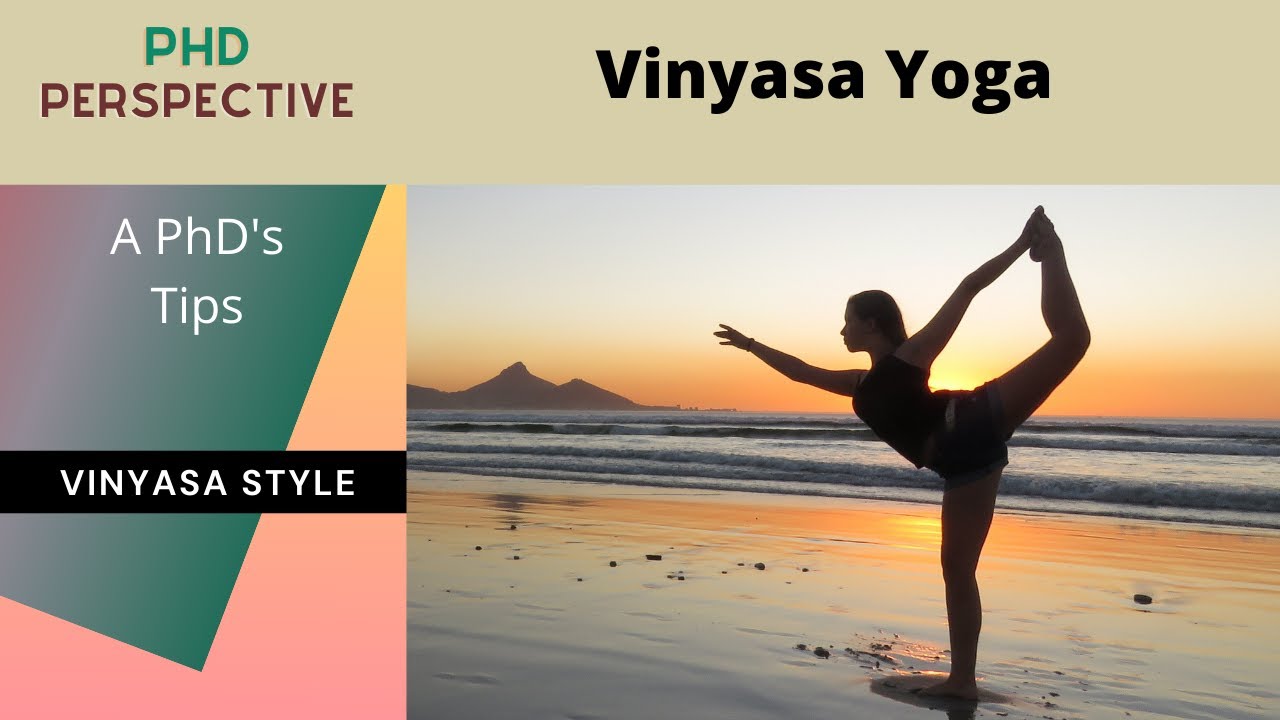
Are you curious about Vinyasa Yoga? Have you ever wondered how this dynamic and flowing style of yoga can enhance your mind, body, and soul? In this article, we will explore the essence of Vinyasa Yoga, its benefits, and how it can be a transformative practice for you. So get ready to delve into the world of Vinyasa Yoga and discover the wonders it holds for your well-being. Let’s begin your journey towards a more balanced and centered life with Vinyasa Yoga!
Introduction
Are you looking for a dynamic and invigorating yoga practice that combines breath and movement? Look no further than vinyasa yoga. In this article, we will dive deep into the world of vinyasa yoga and explore its various aspects, from understanding its concept to learning about its history and origins. So grab your yoga mat, find a quiet space, and let’s get started on our journey to understanding vinyasa yoga.
Understanding the Concept of Vinyasa in Yoga
Vinyasa, in the context of yoga, refers to a flowing sequence of poses connected by breath. It is a Sanskrit term that can be translated as “to place in a special way.” Unlike traditional static yoga practices, vinyasa yoga emphasizes fluidity and continuous movement. Each pose seamlessly transitions into the next, creating a dance-like flow. This constant movement allows for a deeper connection between your body, mind, and breath.
Exploring the Different Interpretations of the Word “Vinyasa”
The word “vinyasa” has multiple interpretations in the world of yoga. Some interpret it as “breath synchronized movement” or “breath-synchronized flow,” highlighting the importance of coordinating each movement with the breath. Others view vinyasa as a way to release stagnant energy and flow with the rhythm of life. Regardless of the interpretation, vinyasa yoga encourages practitioners to move with intention and awareness.
Learning About the Significance of Vinyasa in Vinyasa Yoga
Vinyasa plays a significant role in vinyasa yoga. It sets the tone for the entire practice, creating a harmonious flow that connects each pose. The continuous movement in vinyasa yoga helps build heat in the body, improving circulation and detoxification. As you flow from one pose to another, you cultivate mindfulness and explore the depth of your practice. Vinyasa becomes a moving meditation, allowing you to be fully present and engaged in the moment.
Discovering the Connection Between Breath and Movement in Vinyasa Yoga
In vinyasa yoga, the breath is considered the anchor that guides your movement. Each inhale and exhale corresponds with specific movements or transitions between poses. The breath becomes a powerful tool to regulate your energy, calm your mind, and deepen your practice. The synchronization of breath and movement encourages a smooth and graceful flow, enhancing your overall experience on the mat.
Understanding the Importance of Transitions in Vinyasa Yoga Sequences
Transitions play a vital role in vinyasa yoga sequences. They are the bridges that connect one pose to another, creating a seamless flow. Smooth and controlled transitions not only enhance the physical aspect of your practice but also cultivate a sense of mindfulness and focus. As you transition from one pose to the next, you learn to find stability, balance, and grace within the movement.
Exploring the Benefits of Practicing Vinyasa Yoga
Practicing vinyasa yoga offers a myriad of benefits for both the body and mind. Let’s take a moment to explore some of these benefits:
-
Increased strength and flexibility: Vinyasa yoga builds strength in your muscles, especially in the core, arms, and legs. The continuous flow of poses challenges your flexibility, allowing you to explore the limits of your body.
-
Improved cardiovascular health: The dynamic nature of vinyasa yoga increases your heart rate, providing a cardiovascular workout. This helps strengthen your heart and improves overall cardiovascular health.
-
Enhanced focus and concentration: The constant movement and synchronization with breath demand your full attention, fostering mindfulness and concentration. Vinyasa yoga becomes a moving meditation, helping you find clarity and focus in both your practice and daily life.
-
Stress relief and relaxation: The combination of breathwork and movement releases tension and stress, promoting a state of deep relaxation. Vinyasa yoga can be a powerful tool for managing stress and finding inner peace.
-
Detoxification: The active nature of vinyasa yoga stimulates circulation and promotes the elimination of toxins through sweat. This helps detoxify the body, leaving you feeling refreshed and rejuvenated.
Learning About the Different Styles and Variations of Vinyasa Yoga
Vinyasa yoga encompasses a wide range of styles and variations, each with its own unique characteristics. Some popular styles include:
-
Power Vinyasa: This style is energetic and challenging, focusing on building strength and endurance.
-
Slow Flow: As the name suggests, this style emphasizes a slower pace, allowing for deeper exploration and refinement of each pose.
-
Restorative Vinyasa: This style combines the flowing movement of vinyasa with restorative poses, promoting deep relaxation and rejuvenation.
-
Ashtanga Vinyasa: Ashtanga Vinyasa is a structured practice that follows a set series of poses, providing a physically demanding and disciplined approach to vinyasa.
These are just a few examples, and there are many more styles and variations to explore. Each style offers a unique experience, allowing you to find the one that resonates with you the most.
Understanding the Role of Vinyasa in Creating a Flow in Yoga Practice
Vinyasa plays a crucial role in creating a flow in yoga practice. It brings a sense of continuity and rhythm to your practice, allowing you to seamlessly transition from one pose to another. The flow created by vinyasa helps maintain the integrity of the practice, ensuring a smooth and connected experience. It allows you to move with grace and intention, deepening your connection to both your body and breath.
Discovering the Mindfulness Aspect of Vinyasa Yoga
Mindfulness is at the core of vinyasa yoga. It encourages you to be fully present in the moment, connecting mind, body, and breath. As you flow through the poses, you are invited to observe any sensations, thoughts, or emotions that arise without judgment. Vinyasa yoga becomes a moving meditation, cultivating a state of mindfulness and self-awareness.
Exploring the Physical and Mental Challenges of Practicing Vinyasa Yoga
Vinyasa yoga can be physically and mentally challenging. The continuous movement requires strength, stamina, and flexibility. It challenges you to step out of your comfort zone, explore your edges, and discover new possibilities within your practice. Mentally, vinyasa yoga demands focus and concentration as you synchronize your breath with each movement. It invites you to stay present and let go of distractions, creating a sense of mental clarity and inner peace.
Learning About the Modifications and Progressions in Vinyasa Yoga Sequences
Vinyasa yoga sequences can be modified and progressed to accommodate practitioners of all levels. Teachers often offer variations of poses, allowing you to modify or intensify the practice based on your needs and abilities. Modifications can be made to accommodate injuries, restrictions, or limitations, ensuring a safe and accessible practice for everyone. Progressions, on the other hand, allow you to take your practice to the next level by exploring more advanced poses or challenging variations.
Understanding the Role of the Breath in Vinyasa Yoga Practice
As mentioned earlier, the breath is an integral part of vinyasa yoga practice. It serves as a guide for your movement, providing rhythm, and focus. In vinyasa yoga, the breath is often referred to as “ujjayi breath” or “victorious breath.” This deep, audible breathing technique helps generate heat in the body, promoting a cleansing and energizing effect. The conscious control of breath helps regulate your energy and keeps you grounded throughout your practice.
Exploring the Different Stages of Vinyasa Yoga Practice
Vinyasa yoga practice can be broken down into different stages, each with its own purpose and focus. Let’s take a brief look at these stages:
-
Warm-up: The warm-up stage prepares your body for the more intense physical aspects of the practice. It often includes gentle stretches, joint mobilization, and breathwork.
-
Sun Salutations: Sun salutations, or “surya namaskar,” are a series of flowing movements that build heat in the body and create a steady rhythm. They form the foundation of vinyasa yoga practice.
-
Standing Poses: Standing poses help build strength, stability, and balance. They improve coordination and alignment while grounding you in the present moment.
-
Balancing Poses: Balancing poses challenge your stability and focus. They require concentration, core strength, and a steady breath.
-
Inversions and Backbends: Inversions and backbends invigorate and energize the body while promoting flexibility and opening of the heart.
-
Cool-down and Savasana: The cool-down stage allows the body to return to a state of rest and relaxation. It often includes gentle stretches and ends with savasana, or final relaxation, to integrate the benefits of the practice.
Learning About the History and Origins of Vinyasa Yoga
Vinyasa yoga traces its roots back to ancient yogic traditions. It draws inspiration from the Ashtanga Vinyasa system introduced by Sri K. Pattabhi Jois in the 20th century. Jois developed a method of yoga that synchronizes breath and movement in a dynamic and flowing sequence. This approach laid the foundation for the modern vinyasa yoga we practice today.
Understanding How Vinyasa Yoga Aligns with Other Yoga Traditions
Vinyasa yoga aligns with the broader yoga tradition in its emphasis on the integration of breath, body, and mind. It shares similarities with other styles of yoga, such as Hatha, Ashtanga, and Power Yoga. However, what sets vinyasa yoga apart is its focus on the fluidity of movement and the creation of a continuous flow. While other yoga traditions may have a more static approach to poses, vinyasa yoga offers a dynamic and ever-evolving practice.
Conclusion
Vinyasa yoga is a transformative and empowering practice that combines breath and movement in a graceful flow. By understanding its concept, significance, and various aspects, you can deepen your practice and experience the benefits it has to offer. Whether you are a beginner or an experienced yogi, vinyasa yoga allows you to explore your body’s potential, cultivate mindfulness, and find harmony within yourself. So roll out your mat, take a deep breath, and embark on your vinyasa yoga journey.
FAQs (Frequently Asked Questions)
-
Q. Is vinyasa yoga suitable for beginners?
- A. Yes, vinyasa yoga can be adapted to suit practitioners of all levels, including beginners. Teachers can provide modifications and variations to make the practice accessible and enjoyable for beginners.
-
Q. How many calories can you burn in a vinyasa yoga class?
- A. The number of calories burned in a vinyasa yoga class varies depending on factors such as the intensity of the practice, duration of the class, and individual body composition. On average, a one-hour vinyasa yoga class can burn between 300-500 calories.
-
Q. Can vinyasa yoga help with weight loss?
- A. Vinyasa yoga can be an effective tool for weight loss when combined with a healthy diet and regular practice. The flowing sequences and active nature of vinyasa yoga can help burn calories, build muscle, and improve metabolism.
-
Q. Can I practice vinyasa yoga if I have injuries or physical limitations?
- A. Yes, vinyasa yoga can be modified to accommodate injuries or physical limitations. It is important to communicate with your teacher about any limitations you may have so that they can provide appropriate modifications and ensure a safe practice.
-
Q. How often should I practice vinyasa yoga to see results?
- A. The frequency of your vinyasa yoga practice depends on your goals and schedule. Consistency is key, so it is recommended to practice at least 2-3 times per week to experience the benefits of vinyasa yoga. However, even practicing once a week can still yield positive results over time.