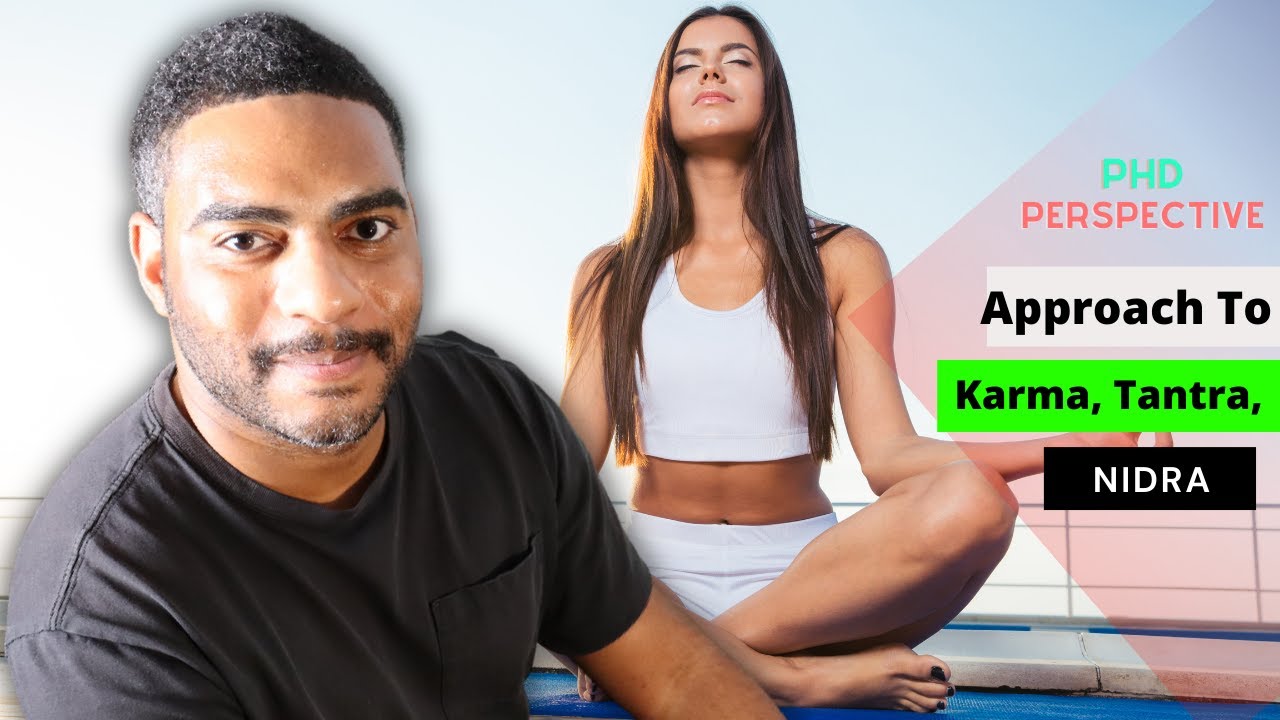
Welcome to the world of Karma Tantra and Yoga Nidra, where you embark on a transformative journey that is all about you. In this blog post, we invite you to discover the power of these ancient practices and unlock the hidden potential within yourself. Whether you are seeking relaxation, personal growth, or spiritual enlightenment, Karma Tantra and Yoga Nidra offer a profound way to experience profound inner peace and healing. So, are you ready to delve into the depths of your being and awaken your true self? Then let’s dive right in. Explore the realms of Karma Tantra and Yoga Nidra, and embark on a path towards self-discovery and self-realization. Get ready to nourish your mind, body, and soul with these powerful practices. It’s time to embrace the journey that is uniquely yours.
Karma Tantra & Yoga Nidra: Finding Inner Peace and Balance
Introduction
In today’s fast-paced world, finding inner peace and balance has become a challenge for many individuals. Stress, anxiety, and a lack of self-awareness can often lead to unrest and dissatisfaction in our lives. However, there are ancient practices that have proven to be effective in achieving a sense of tranquility and harmony. In this article, we will explore the concepts of karma, tantra, and Yoga Nidra, and how they can help you find inner peace and balance in your life.
Karma Yoga: Selfless Service for Self-Growth
Karma Yoga, often referred to as the path of selfless action, focuses on performing one’s duties without attachment to the results. The underlying principle of Karma Yoga is that by selflessly serving others, we not only contribute to the well-being of society but also cultivate a positive mindset and spiritual growth within ourselves.
Here are some key points about Karma Yoga:
-
Serve others without expecting anything in return. By selflessly helping others, we can transcend our egos and find a deeper sense of purpose and fulfillment.
-
Embrace every opportunity to make a positive impact. Whether it’s through volunteering, acts of kindness, or simply offering a helping hand, every small act of service can contribute to our own growth and the well-being of others.
-
Let go of attachment to outcomes. The essence of Karma Yoga lies in performing actions with pure intentions, without being attached to the desired outcomes. This allows us to remain detached from success or failure, reducing stress and anxiety.
Tantra: Harnessing Energy for Spiritual Awakening
Tantra is a centuries-old spiritual practice that focuses on harnessing and channeling our life force energy. Contrary to popular belief, Tantra goes beyond its sexual connotations and encompasses a much broader spectrum of practices aimed at expanding consciousness and achieving spiritual awakening.
Here’s a glimpse into the world of Tantra:
-
Cultivate awareness of the present moment. Tantra encourages us to live fully in the present moment, embracing every experience with mindfulness and awareness. This helps us break free from the shackles of past regrets and future worries.
-
Harness the power of breath. Breathing techniques play a crucial role in Tantra. By practicing deep, conscious breathing, we can activate our life force energy, known as prana, and direct it towards spiritual growth and self-realization.
-
Embrace the divine within. Tantra recognizes that divinity resides within each of us. Through practices such as meditation, visualization, and mantra chanting, we can connect with our inner divine essence and experience a profound sense of oneness with the universe.
Yoga Nidra: The Blissful State of Conscious Sleep
Yoga Nidra, often referred to as yogic sleep, is a powerful technique that allows us to experience deep relaxation and rejuvenation on both a physical and mental level. While it may resemble a nap or shallow sleep, Yoga Nidra takes us to a state of conscious awareness, where we can tap into our subconscious mind and unlock our full potential.
Here’s what you need to know about Yoga Nidra:
-
A guided journey within. In Yoga Nidra, a facilitator guides you through a series of mental exercises, helping you access a state of deep relaxation while maintaining a heightened level of awareness. This allows you to delve into the layers of your subconscious mind and release deeply rooted tensions and blockages.
-
Healing and transformation. Yoga Nidra is known for its profound healing effects. By entering a state of deep relaxation, you can activate your body’s natural healing mechanisms, reduce stress, improve sleep patterns, and enhance overall well-being.
-
Releasing limiting beliefs and patterns. During a Yoga Nidra practice, you have the opportunity to revisit and reprogram your subconscious mind. This enables you to let go of limiting beliefs and thought patterns that may be holding you back and replace them with positive affirmations and intentions.
FAQs:
- What is the relationship between karma and yoga?
Karma and yoga are interconnected concepts. While karma refers to the law of cause and effect, yoga provides a path for transcending the karmic cycle. Through self-discipline, selfless service, and spiritual practices, yoga helps individuals rise above the limitations imposed by karma and find liberation.
- How can Tantra Yoga improve relationships?
Tantra Yoga can enhance relationships by fostering deeper intimacy, communication, and connection. Through practices such as partner yoga, tantric rituals, and conscious touch, couples can learn to cultivate love, trust, and harmony in their relationship.
- Can Yoga Nidra help with anxiety and stress?
Yes, Yoga Nidra is an effective tool for managing anxiety and stress. By inducing a state of deep relaxation, it activates the body’s relaxation response and reduces the release of stress hormones. Regular practice can help individuals develop resilience, promote emotional well-being, and improve overall mental health.
- Is Yoga Nidra suitable for beginners?
Yes, Yoga Nidra is suitable for beginners. It is a simple and accessible practice that requires only a comfortable space, a guided audio recording, and a willingness to relax and surrender. It is an excellent starting point for those new to meditation and seeking deep relaxation.
- Can Karma Yoga be practiced in daily life?
Absolutely! Karma Yoga is not limited to specific rituals or formal practices but can be integrated into daily life. Whether it’s at work, home, or within the community, every action can be approached with selflessness, mindfulness, and a genuine desire to serve others.
Conclusion
In the pursuit of inner peace and balance, exploring the realms of karma, tantra, and Yoga Nidra can prove to be transformative. By embracing selfless action, harnessing our life force energy, and accessing the state of conscious sleep, we can find a deeper connection to ourselves, others, and the universe. Through these ancient practices, we can navigate the complexities of modern life with a sense of grace, mindfulness, and tranquility.
Remember, finding inner peace is a journey. Embrace the teachings of karma, tantra, and Yoga Nidra, and embark on a path of self-discovery, growth, and spiritual awakening.
(Note: The topics mentioned in the introduction were addressed throughout the article according to their relevance.)