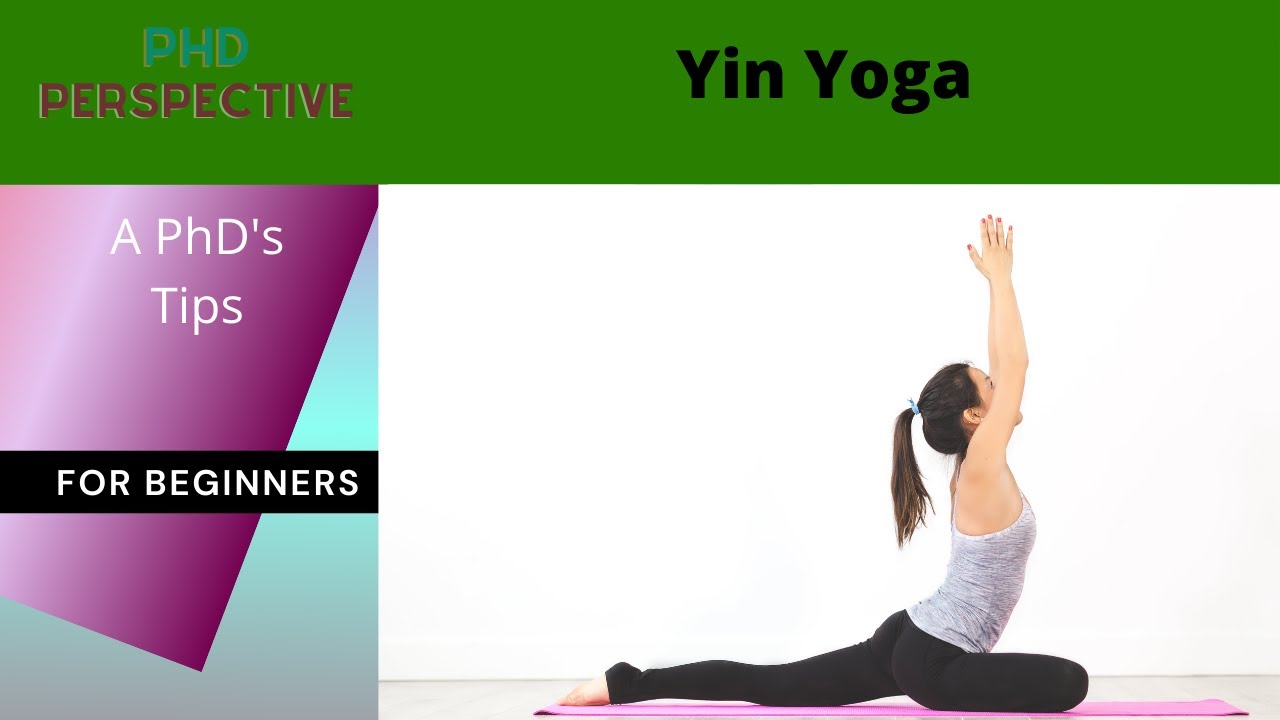
Are you new to the world of yoga and looking to explore a gentle and calming practice? If so, you’ve come to the right place! In this blog post, we’ll delve into the art of Yin Yoga and how it can benefit you as a beginner. Whether you want to increase flexibility, find inner peace, or simply take time for yourself, Yin Yoga offers a perfect starting point on your yoga journey. So, grab your mat, relax, and let’s dive into the wonderful world of Yin Yoga together.
Introduction
Are you looking for a gentle and calming yoga practice that can help you relax, increase flexibility, and reduce stress? Look no further than Yin Yoga. In this article, we will explore the benefits and practice of Yin Yoga, its techniques, and various poses that are perfect for beginners. Whether you’re a seasoned yogi or just starting your yoga journey, Yin Yoga can be a wonderful addition to your routine. So, grab your yoga mat and let’s dive into the world of Yin Yoga!
Benefits and Practice of Yin Yoga
Before we delve into the techniques and poses of Yin Yoga, let’s first understand why people practice it and the benefits it offers.
Why People Practice Yin Yoga
Yin Yoga is a slow-paced style of yoga that focuses on holding poses for an extended period, typically ranging from 3 to 5 minutes. Unlike its yang counterparts, which are more dynamic and fast-paced, Yin Yoga targets the deep connective tissues of the body, such as ligaments, joints, and fascia.
People practice Yin Yoga for various reasons, including:
-
Increased Flexibility: The long holds in Yin Yoga allow the muscles to relax, enabling the connective tissues to lengthen gradually. This leads to improved flexibility and joint mobility over time.
-
Stress Relief: Yin Yoga encourages deep relaxation and activates the parasympathetic nervous system, promoting a sense of calmness and reducing stress.
-
Enhanced Energy Flow: Yin Yoga targets meridian lines in the body, which are believed to carry the flow of energy. By stimulating these lines, Yin Yoga helps to restore and balance the body’s energy flow.
-
Improved Joint Health: Regular practice of Yin Yoga can help maintain and improve joint health by increasing the flexibility and integrity of the joint structures.
-
Mental Clarity and Mindfulness: Yin Yoga is often referred to as a “meditation in motion.” It provides an opportunity to cultivate mindfulness, focus, and mental clarity.
Yin Yoga Techniques
Now that you understand the benefits of Yin Yoga, let’s explore some essential techniques that form the foundation of this practice.
Proper Breathing in Yin Yoga
Breathing plays a crucial role in Yin Yoga. By adopting slow, deep, and mindful breaths, you can enhance the relaxation response and promote the release of tension in the body. Focus on deep belly breathing, allowing the breath to move freely and naturally throughout the practice.
The Counter Pose
Each Yin Yoga pose is usually followed by a counter pose to rebalance and neutralize the body. The counter pose helps release any residual tension and brings the body back into equilibrium. Pay attention to the counter poses suggested for each Yin Yoga pose you practice.
Yin Yoga Poses for Beginners
Now, let’s dive into some Yin Yoga poses that are perfect for beginners. Remember to listen to your body and work within your limits. It’s okay to modify the poses based on your flexibility and comfort level.
Pose 1: Butterfly Pose
The Butterfly pose is a seated pose that targets the hips, thighs, and lower back. To practice this pose:
- Sit on your mat with your legs extended in front of you.
- Bend your knees and bring the soles of your feet together.
- Allow your knees to fall out to the sides, creating a diamond shape with your legs.
- Gently fold forward from the hips, keeping your spine long.
- Hold this pose for 3 to 5 minutes, focusing on deep breaths and relaxation.
This pose helps open up the hips, stretch the inner thighs, and stimulate the lower back.
Pose 2: Square Left Side
The Square Left Side pose is a seated pose that targets the hips and glutes. To practice this pose:
- Begin in a seated position on your mat.
- Bring your left ankle to rest on top of your right knee.
- Gently press the left knee down towards the mat while keeping your spine upright.
- You can use your hands to support your upper body or gently fold forward for a deeper stretch.
- Hold this pose for 3 to 5 minutes, breathing deeply and allowing the muscles to relax.
The Square Left Side pose helps release tension in the hips, improves flexibility, and prepares the body for seated meditation.
Pose 3: Square Right Side
The Square Right Side pose is a variation of the Square Left Side pose, targeting the opposite hip and glutes. To practice this pose:
- Begin in a seated position on your mat.
- Bring your right ankle to rest on top of your left knee.
- Gently press the right knee down towards the mat while maintaining an upright spine.
- Use your hands for support or fold forward slightly to deepen the stretch.
- Hold this pose for 3 to 5 minutes, focusing on your breath and allowing the body to relax.
The Square Right Side pose provides a deep stretch for the hips and glutes, promoting flexibility and releasing tension.
Pose 4: Child’s Pose
Child’s Pose is a restorative and relaxing pose that targets the spine and hips. To practice this pose:
- Begin on all fours with your knees wider than hip-width apart.
- Bring your big toes together and sit back onto your heels.
- Exhale and fold forward, allowing your forehead to rest on the mat.
- Stretch your arms forward or alongside your body, palms facing up.
- Hold this pose for 3 to 5 minutes, taking slow and deep breaths.
Child’s Pose promotes relaxation, relieves tension in the lower back, and gently stretches the hips and spine.
Getting Started with Yin Yoga
If you’re new to Yin Yoga, it’s important to start slowly and give yourself time to adapt to the longer holds and deep stretches. Here are a few tips to help you get started:
-
Listen to Your Body: Always listen to your body and respect its limitations. Yin Yoga is about finding your edge while avoiding pain or discomfort.
-
Use Props: Props such as blocks, blankets, and bolsters can provide support and make poses more accessible. Don’t hesitate to use them to enhance your practice.
-
Be Mindful: Yin Yoga is a practice of mindfulness. Pay attention to your breath, sensations in your body, and any thoughts or emotions that arise during the practice.
-
Practice Regularly: Consistency is key to experiencing the benefits of Yin Yoga. Aim to practice at least 2-3 times per week to see progress in your flexibility, stress relief, and overall well-being.
Conclusion
Yin Yoga offers a unique and transformative practice that is accessible to beginners. By incorporating long holds, deep stretching, and mindfulness, Yin Yoga can help you find relaxation, increased flexibility, and inner peace. Remember to start slowly, practice regularly, and listen to your body’s needs. So, unroll your mat, embrace the stillness, and embark on a journey of self-discovery with Yin Yoga.
FAQs
1. Can Yin Yoga help with flexibility?
Yes, Yin Yoga can significantly improve flexibility by targeting the deep connective tissues and promoting gradual lengthening.
2. Is Yin Yoga suitable for beginners?
Absolutely! Yin Yoga is gentle and accessible to beginners. It provides an excellent opportunity to ease into yoga practice.
3. How often should I practice Yin Yoga?
It’s recommended to practice Yin Yoga 2-3 times a week to experience its benefits fully.
4. Can Yin Yoga help with stress relief?
Yes, Yin Yoga activates the relaxation response and promotes a sense of calmness, making it an effective practice for stress relief.
5. Can I combine Yin Yoga with other forms of exercise?
Certainly! Yin Yoga can complement other forms of exercise by enhancing flexibility, balancing energy, and promoting mindfulness.