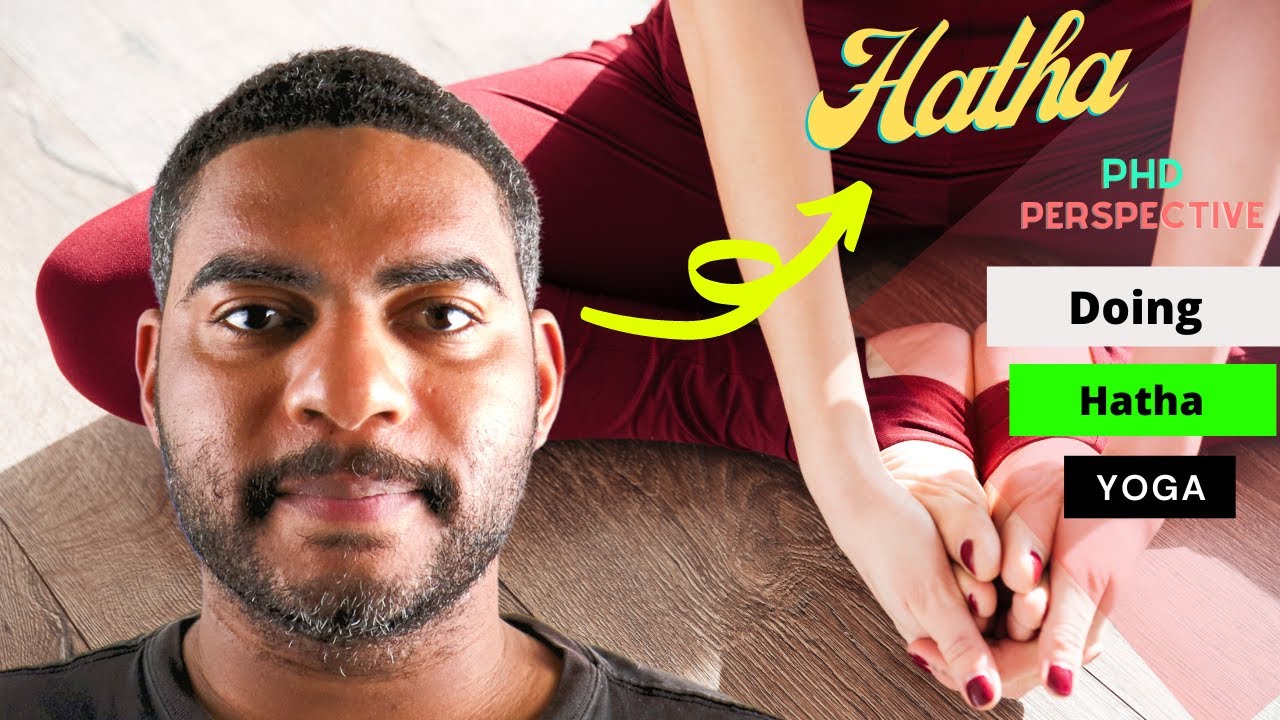
Are you interested in delving into the intricacies of Hatha Yoga? If so, this blog post is tailored just for you! In this comprehensive guide, we will explore the details and tips that will help you embark on a fulfilling journey of Hatha Yoga practice. Whether you are a beginner or have some experience, we’ve got you covered with valuable insights, techniques, and suggestions to enhance your yoga journey. So, grab your mat, let’s dive in, and discover the wonders of Hatha Yoga together!
Hatha Yoga Details and Tips
Introduction:
If you’re interested in exploring the world of yoga, you may have come across the term Hatha Yoga. Hatha Yoga is a popular style of yoga that focuses on balancing the mind and body through physical postures and breathing exercises. In this article, we will delve into the details of Hatha Yoga, discuss what a typical class includes, and provide some useful tips to enhance your practice.
Hatha Yoga: A Closer Look
Hatha Yoga is derived from the Sanskrit words “ha” (sun) and “tha” (moon), symbolizing the balance between opposites. The practice aims to align and unite the mind, body, and spirit. It is often considered as the foundation of most modern yoga styles.
A Basic Hatha Yoga Class:
A typical Hatha Yoga class includes a series of poses (asanas) combined with breathing techniques (pranayama) and relaxation exercises. The poses are designed to improve strength, flexibility, and balance while promoting mental clarity and relaxation. Here are the main types of poses you can expect in a Hatha Yoga class:
-
Standing Poses: These poses focus on stability and grounding. They include Mountain Pose (Tadasana), Warrior poses (Virabhadrasana), and Tree Pose (Vrikshasana).
-
Sitting Poses: Sitting poses are often performed to increase focus and enhance the practice. They include Seated Forward Bend (Paschimottanasana), Lotus Pose (Padmasana), and Easy Pose (Sukhasana).
-
Back Bends: Back bends are known for their energizing and heart-opening qualities. They include Cobra Pose (Bhujangasana), Bridge Pose (Setu Bandhasana), and Camel Pose (Ustrasana).
-
Forward Bends: These poses are great for stretching the hamstrings and releasing tension in the spine. Examples include Standing Forward Bend (Uttanasana), Seated Forward Bend (Paschimottanasana), and Child’s Pose (Balasana).
-
Twists: Twisting poses help improve spinal mobility and aid in releasing toxins. They include Half Lord of the Fishes Pose (Ardha Matsyendrasana), Revolved Triangle Pose (Parivrtta Trikonasana), and Seated Twist (Bharadvajasana).
Understanding the Intensity:
One key aspect to note about Hatha Yoga is that it can range from gentle and meditative to more intense and physically challenging. The intensity of the class depends on the style being taught and the instructor’s interpretation. Some classes may focus on the relaxation and meditative aspects of Hatha Yoga, while others may incorporate vigorous sequences and advanced poses.
Learning Hatha Yoga Basics:
If you’re new to Hatha Yoga or want to refresh your basics, there are countless resources available. One way to familiarize yourself with the practice is to watch instructional videos. These videos often explain the foundational poses, breathing techniques, and alignment cues. Additionally, various online platforms provide detailed articles and guides that can deepen your understanding and help you refine your practice.
Finding a Hatha Yoga Class Near You:
To experience Hatha Yoga in a supportive environment, it is recommended to find a local class. Many yoga studios and wellness centers offer Hatha Yoga classes for different skill levels. Online directories and websites dedicated to yoga can help you locate a class near you. It’s always a good idea to check the reviews and ratings of the instructors and studios before committing to a class.
Conclusion:
Hatha Yoga is an excellent practice for anyone looking to cultivate mental clarity, improve physical strength, and find balance in their lives. With its emphasis on asanas, pranayama, and relaxation, Hatha Yoga provides a holistic approach to wellness. Whether you are a beginner or an experienced yogi, exploring Hatha Yoga can be a transformative journey.
FAQs (Frequently Asked Questions):
-
How often should I practice Hatha Yoga?
Regular practice is key to experiencing the full benefits of Hatha Yoga. Aim for at least 2-3 sessions per week to notice improvements in flexibility, strength, and mental well-being. -
Do I need to be flexible to practice Hatha Yoga?
No, Hatha Yoga is accessible to practitioners of all levels of flexibility. The practice itself will gradually improve your flexibility over time. -
Can I practice Hatha Yoga at home?
Yes, Hatha Yoga can be practiced at home with the help of instructional videos or online classes. However, it is recommended to learn from a qualified instructor initially to ensure proper alignment and technique. -
What should I wear for a Hatha Yoga class?
Wear comfortable, breathable clothing that allows you to move freely. Avoid loose or baggy attire as it may hinder your movement during certain poses. -
Can Hatha Yoga help with stress and anxiety?
Yes, Hatha Yoga is known for its stress-relieving benefits. The combination of physical movement, deep breathing, and relaxation techniques can help calm the mind, reduce anxiety, and promote overall well-being.
Remember to always listen to your body and practice within your limits. Enjoy your Hatha Yoga journey!