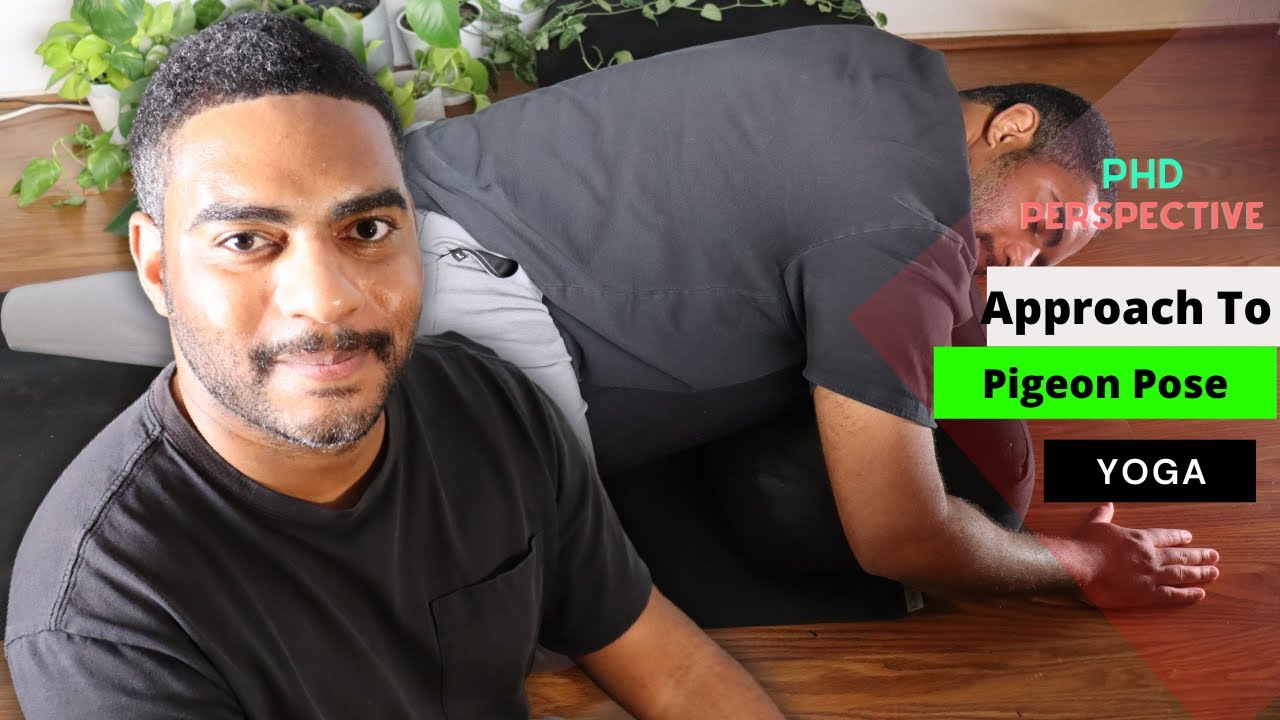
Are you looking to enhance your yoga practice with a powerful pose that opens up the hips and releases tension? Look no further than the yoga pose Pigeon. In this blog post, we will guide you through the correct alignment and variations of Pigeon pose, allowing you to experience its incredible benefits firsthand. Whether you’re a yoga enthusiast or a beginner on your yogic journey, Pigeon pose offers a multitude of advantages that can transform both your body and mind. So, get ready to dive deep into the world of Pigeon pose and take your practice to new heights. Let’s begin!
Introduction
In the world of yoga, there are countless poses that challenge both the body and mind. One such pose is the Pigeon pose, a posture that requires balance and strength. Finding your center of gravity is key to staying steady in Pigeon pose, and it offers various shapes that you can explore. This article will delve into the benefits of practicing Pigeon pose, as well as provide tips and guidance on how to improve your yoga practice through this challenging posture. Whether you are a beginner or an experienced yogi, Pigeon pose has the potential to enhance your flexibility, balance, and overall well-being.
Improving Your Yoga Practice with Pigeon Pose
Pigeon pose is a challenging balancing posture in yoga that offers numerous benefits for both the body and mind. By incorporating this pose into your practice, you can improve your flexibility, increase your range of motion, and strengthen important muscle groups. Additionally, Pigeon pose helps to release tension in the hips, lower back, and glutes.
- Find Your Center of Gravity
Before attempting Pigeon pose, it is important to understand the concept of finding your center of gravity. This is the point where the body is in perfect balance, allowing you to stay steady and focused. To find your center of gravity in Pigeon pose, imagine a vertical line running through the center of your body, from the crown of your head to the base of your spine. Keeping this line centered and aligned will help you maintain stability throughout the pose.
- Explore Different Shapes
Pigeon pose offers various shapes that you can explore, depending on your level of flexibility and comfort. The traditional version of Pigeon pose involves bringing one knee forward and placing the corresponding foot near the opposite hip, while the opposite leg extends behind. However, you can also try variations such as reclining Pigeon pose, where you lie on your back and bring one ankle to rest on the opposite knee.
- Align Your Body Properly
Proper alignment is crucial in Pigeon pose to avoid strain or injury. Begin by aligning your hips so that they are level and squared to the front of the mat. This ensures that both sides of the body are equally engaged. Next, focus on aligning your spine, keeping it long and straight. Finally, pay attention to the placement of your front knee, ensuring that it is properly aligned with your ankle and not extending beyond it.
- Maintain Stability and Balance
To stay steady and balanced in Pigeon pose, it is essential to engage your core muscles. This will help you maintain stability and prevent any wobbling or tipping over. Additionally, focus on your breath and use it to anchor yourself in the pose. Taking slow, deep breaths will not only help you maintain balance but also bring a sense of calm and focus to your practice.
- Enhance Your Flexibility and Balance
Pigeon pose is an excellent posture for enhancing flexibility and balance. As you sink deeper into the pose, you will feel a stretch in the hip flexors, glutes, and outer hips. Over time, consistent practice can lead to increased flexibility in these areas. Additionally, Pigeon pose requires you to engage and strengthen the leg muscles, improving your overall balance and stability.
Conclusion
In conclusion, Pigeon pose is a challenging and rewarding posture that can greatly enhance your yoga practice. By finding your center of gravity, exploring different shapes, and aligning your body properly, you can improve your stability and balance in this pose. Additionally, practicing Pigeon pose regularly will help you develop flexibility and strengthen important muscle groups. Whether you are a beginner or an experienced yogi, incorporating Pigeon pose into your practice will offer numerous benefits for both the body and mind.
FAQs (Frequently Asked Questions)
-
How can Pigeon pose improve flexibility?
Pigeon pose stretches the hip flexors, glutes, and outer hips, gradually increasing flexibility in these areas. -
Is Pigeon pose suitable for beginners?
Yes, beginners can practice Pigeon pose by modifying it to their level of comfort and flexibility. -
Can Pigeon pose help with lower back pain?
Yes, Pigeon pose can help release tension in the lower back and provide relief from pain. -
What are the variations of Pigeon pose?
Aside from the traditional version, variations of Pigeon pose include reclining Pigeon pose and using props for support. -
Where can I find expert guidance for Pigeon pose and other yoga practices?
You can find expert guidance through online yoga teacher training courses, such as those offered at sawyogacourses.com.