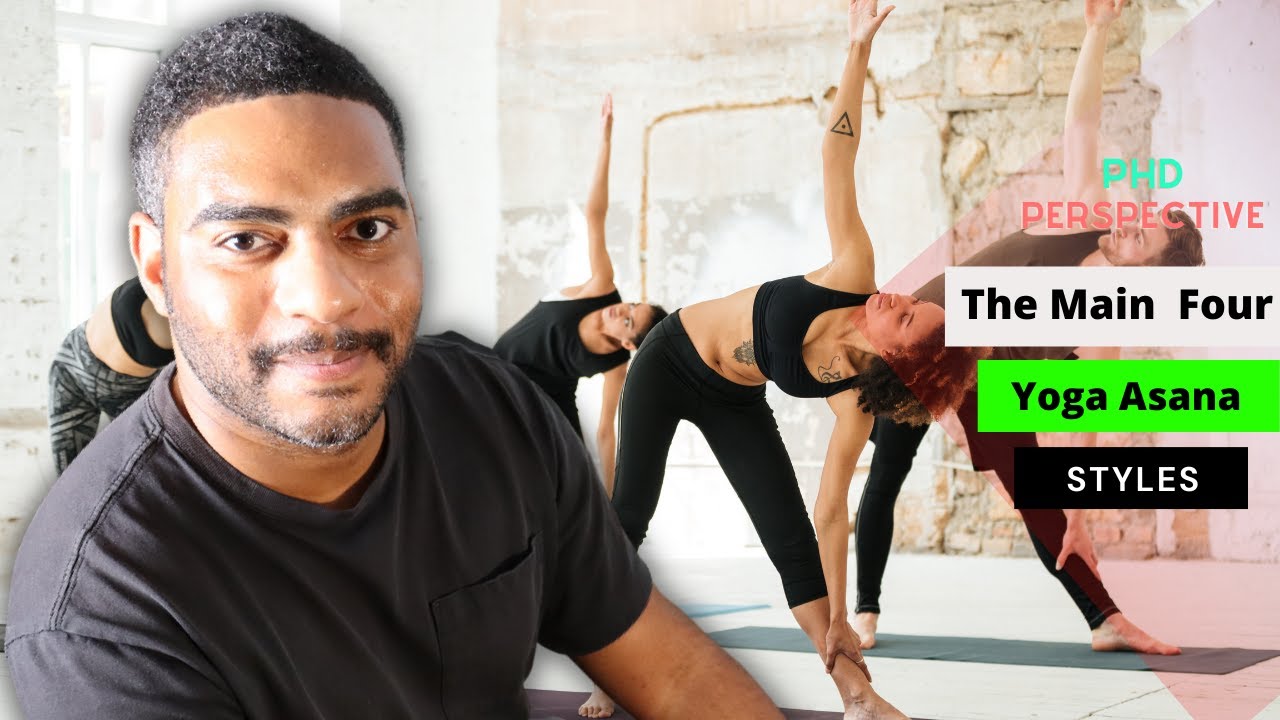
Are you looking to explore the diverse world of yoga? With so many different styles out there, it can sometimes be overwhelming to know where to start. In this blog post, we’ll be diving into the top main styles of yoga. Whether you’re a beginner or a seasoned practitioner, we’ve got something for everyone. So grab your mat, get ready to stretch and strengthen both your body and mind. Let’s discover the various flavors of yoga together!
Introduction
Yoga has steadily gained popularity over the years as a holistic practice that benefits both the body and the mind. With its origins dating back thousands of years, yoga offers a wide range of styles and variations to suit individual preferences and needs. In this article, we will explore the top main styles of yoga, each with its unique approach and benefits.
- Restorative Yoga: Deep Relaxation and Gentle Stretching
Restorative yoga is a style that focuses on deep relaxation and gentle stretching. Its purpose is to promote relaxation and rejuvenation, making it an excellent choice for those looking to unwind and release tension. Restorative poses are held for longer periods, allowing the body to fully relax and restore itself. This style can be incredibly calming and beneficial for stress reduction.
- Yin Yoga: Targeting Connective Tissues for Flexibility and Relaxation
Yin yoga is a slow-paced style that targets the connective tissues, such as ligaments and fascia. It involves holding poses for an extended duration, typically three to five minutes, to promote deep stretching and relaxation. Yin yoga helps improve flexibility, release tightness, and enhance joint mobility. This style is often seen as a calming and meditative practice.
- Hatha Yoga: Traditional Practice Focusing on Physical Postures and Breathing Techniques
Hatha yoga is one of the most well-known and classical styles of yoga. It encompasses a range of physical postures (asanas) and breathing exercises (pranayama). Hatha yoga provides a balanced and holistic approach to the practice, focusing on strength, flexibility, and alignment. It promotes a sense of harmony between the body and mind.
- Vinyasa Yoga: Flowing Movements and Synchronized Breathing
Vinyasa yoga is a dynamic and fluid style that emphasizes flowing movements and synchronized breathing. It often involves a series of poses linked together in a continuous fluid motion. Vinyasa yoga builds strength, improves flexibility, and increases cardiovascular endurance. This style is known for its creative sequencing and can provide a challenging and invigorating practice.
- Ashtanga Yoga: Vigorous and Athletic Practice
Ashtanga yoga is a vigorous and athletic style that follows a specific sequence of postures. It consists of a set series of poses, each linked with synchronized breath. Ashtanga yoga builds strength, endurance, and flexibility, making it a physically demanding practice. It also focuses on cleansing and purifying the body through the use of breath and movement.
- Bikram Yoga: Hot Yoga for Flexibility and Detoxification
Bikram yoga, also known as hot yoga, is practiced in a room heated to approximately 40 degrees Celsius. The heat helps increase flexibility and promotes detoxification through sweating. Bikram yoga follows a specific sequence of 26 postures and two breathing exercises. This style is ideal for those who enjoy practicing in a hot and challenging environment.
- Kundalini Yoga: Awaken the Energy Within
Kundalini yoga combines physical postures, breathing exercises, meditation, and chanting to awaken the dormant energy located at the base of the spine. It aims to release this energy, leading to a heightened sense of awareness and spiritual awakening. Kundalini yoga can be a powerful practice for those seeking a deeper connection to their inner selves.
- Iyengar Yoga: Precise Alignment and Props for Support
Iyengar yoga is a precise and alignment-based style that utilizes props, such as blocks, straps, and blankets, to support the body during poses. This style focuses on proper alignment and emphasizes holding poses for longer durations. Iyengar yoga helps improve strength, flexibility, and stability while fostering mindfulness and body awareness.
- Power Yoga: Fast-Paced and Intense Practice
Power yoga is a fast-paced and intense style that combines elements of strength training, flexibility, and cardiovascular exercise. It follows a dynamic and challenging sequence of poses, often incorporating variations and transitions. Power yoga aims to build strength, improve stamina, and enhance overall fitness. It is suitable for those seeking a more physically demanding practice.
- AcroYoga: Yoga, Acrobatics, and Thai Massage
AcroYoga combines yoga, acrobatics, and Thai massage to create a playful and interactive practice. It involves partner or group poses, where individuals support and balance each other. AcroYoga cultivates trust, communication, and strength while promoting connection and joy through shared movement.
Conclusion
With a myriad of yoga styles to choose from, there is something for everyone. Whether you prefer a slow and meditative practice like Yin yoga or a vigorous and dynamic one like Power yoga, each style offers unique benefits for the mind, body, and soul. Exploring different yoga styles allows you to find what resonates with you and supports your physical and mental well-being. So, roll out your mat and embark on a journey of self-discovery through the vast world of yoga.
Frequently Asked Questions (FAQs)
-
Is it necessary to be flexible to practice yoga?
- No, flexibility is not a prerequisite for practicing yoga. Yoga helps improve flexibility over time through regular and consistent practice.
-
Can I practice yoga if I have injuries or physical limitations?
- It is essential to listen to your body and work within your limitations. Many yoga styles offer modifications and variations to accommodate different needs. It is advisable to consult with a qualified yoga instructor for guidance.
-
How often should I practice yoga?
- The frequency of your practice will depend on your personal goals and schedule. Consistency is key, so aim for a regular practice that feels sustainable for you, whether it’s a few times a week or every day.
-
Can yoga help with stress and anxiety?
- Yes, yoga has been shown to be effective in reducing stress and anxiety levels. Through mindful movement, deep breathing, and relaxation techniques, yoga helps calm the nervous system and promotes a sense of inner peace.
-
Can yoga help with weight loss?
- While yoga primarily focuses on overall well-being and mind-body connection, certain yoga styles can support weight loss by increasing metabolism, building lean muscle, and improving cardiovascular health. However, for significant weight loss, it is recommended to combine yoga with a balanced diet and regular exercise routine.